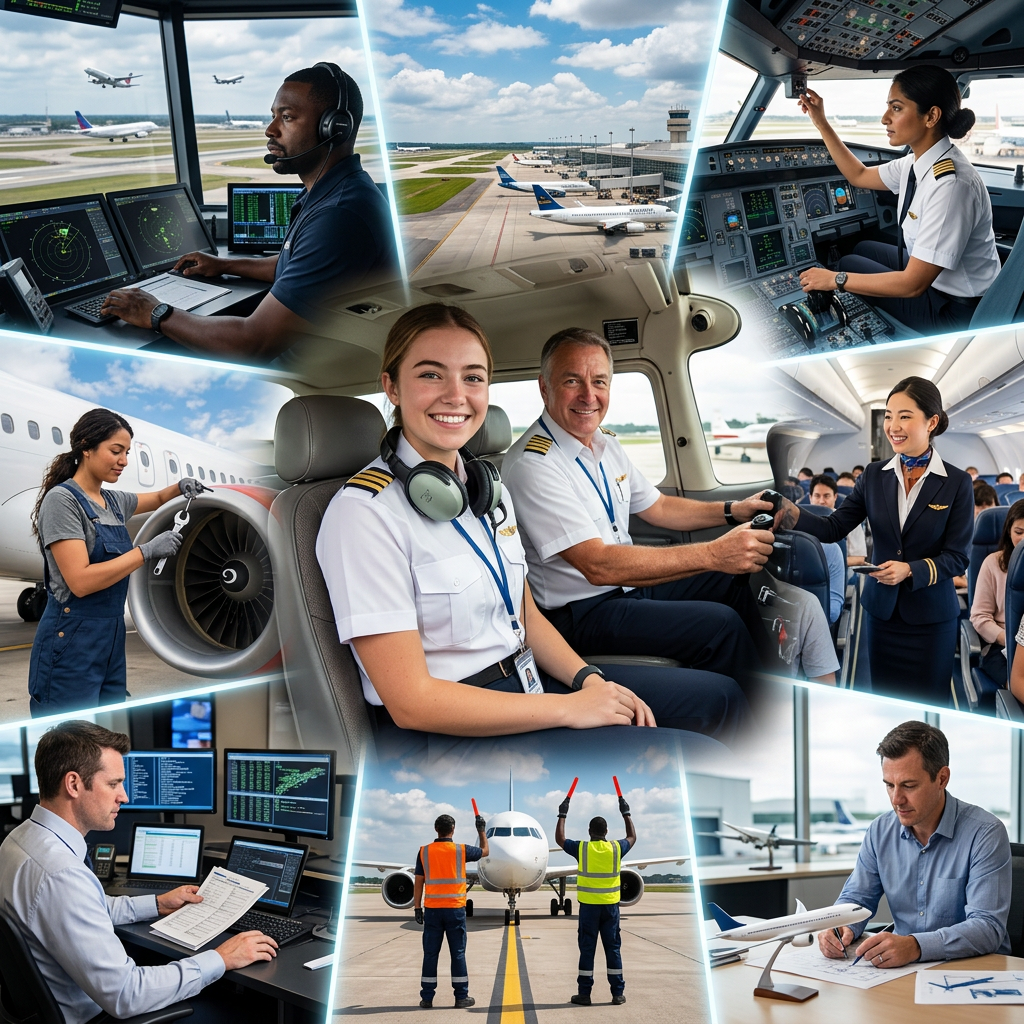
Many people start flight training with a simple goal: to learn how to fly. Some dream of becoming airline pilots, while others want to enjoy recreational flying or challenge themselves with a new skill. But what many aspiring pilots don’t realise is that flight training can create career opportunities far beyond the cockpit.
The knowledge, discipline, decision-making ability, and technical skills developed during flight training are highly valued in aviation and many other industries. Whether you pursue aviation professionally or simply gain a pilot licence as a personal achievement, flight training can open doors throughout your career.
In this article, we’ll explore how flight training builds valuable skills and creates career options later in life.
Why Flight Training Is More Than Learning to Fly
Learning to fly involves much more than operating an aircraft. Student pilots develop skills that employers consistently look for across many professions.
During pilot training, students learn to:
- Make decisions under pressure
- Manage risk effectively
- Follow procedures accurately
- Communicate clearly
- Maintain situational awareness
- Demonstrate discipline and responsibility
- Solve problems in real time
These transferable skills often become valuable assets throughout a person’s career, regardless of whether they remain in aviation.
Aviation Career Pathways That Begin with Flight Training
For many students, flight training is the first step toward a professional aviation career.
Recreational Pilot Licence (RPL)
The Recreational Pilot Licence (RPL) is often the starting point for aspiring pilots in Australia. It allows pilots to fly recreationally while building experience and confidence.
Many students use the RPL as a foundation before progressing to higher licences.
Private Pilot Licence (PPL)
The Private Pilot Licence (PPL) expands a pilot’s privileges and allows more advanced flying operations.
A PPL can serve as a stepping stone toward professional aviation careers while providing valuable practical experience.
Commercial Pilot Licence (CPL)
Pilots who wish to earn income through flying typically progress toward a Commercial Pilot Licence (CPL).
A CPL can lead to careers such as:
- Airline pilot
- Charter pilot
- Flight instructor
- Aerial survey pilot
- Agricultural pilot
- Corporate aviation pilot
- Emergency services aviation support
Australia’s aviation industry continues to require qualified pilots across multiple sectors, creating long-term opportunities for those who pursue professional training.
How Flight Training Develops Professional Skills
Strong Decision-Making Abilities
Pilots constantly assess weather, aircraft performance, airspace requirements, and safety considerations.
These experiences help develop sound judgment and structured decision-making processes that can benefit careers in:
- Business management
- Project management
- Engineering
- Emergency services
- Operations management
Employers often value individuals who can remain calm and make informed decisions under pressure.
Leadership and Responsibility
Even student pilots quickly learn that safety depends on personal responsibility.
Pilots are expected to:
- Prepare thoroughly
- Follow regulations
- Manage risks
- Take accountability for decisions
These leadership qualities can support career progression in virtually any profession.
Communication Skills
Effective communication is a critical part of aviation.
Pilots regularly communicate with:
- Air traffic controllers
- Flight instructors
- Ground personnel
- Other pilots
Learning concise and accurate communication helps develop professional skills that remain valuable throughout a person’s career.
Career Opportunities Beyond Professional Flying
Not everyone who completes flight training becomes a commercial pilot. However, aviation knowledge can still create unique opportunities.
Aviation Management
Many aviation businesses value employees who understand flight operations.
Examples include:
- Airport management
- Aviation operations
- Airline administration
- Aviation safety management
- Flight school management
A pilot background often provides practical insight into how aviation organisations operate.
Aviation Safety and Compliance
Australia places strong emphasis on aviation safety and regulatory compliance.
Professionals with flight training experience may pursue careers involving:
- Safety management systems
- Risk assessment
- Aviation compliance
- Operational oversight
These positions often benefit from firsthand understanding of pilot responsibilities and operational procedures.
Aerospace and Aviation Technology
The aviation sector continues to evolve through advancements in:
- Aircraft systems
- Navigation technology
- Flight simulation
- Aviation software
- Unmanned aircraft systems
Flight training provides valuable operational knowledge that can complement technical and engineering careers.
The Value of Flight Training for Young Professionals
Many students begin pilot training while studying at university or starting their first job.
Flight training can strengthen a resume by demonstrating:
- Commitment to long-term goals
- Technical learning ability
- Time management skills
- Personal discipline
- Professional responsibility
Employers frequently recognise the effort required to obtain and maintain a pilot licence.
This can help candidates stand out in competitive job markets.
Australian Flight Training Standards
Australia maintains some of the world’s highest aviation training standards.
The Australian Government’s Civil Aviation Safety Authority (CASA) regulates pilot licensing, flight training organisations, and aviation safety requirements. Student pilots must complete approved training and demonstrate competency before earning a licence.
Organisations such as the International Civil Aviation Organization (ICAO) also establish global aviation standards that influence pilot training worldwide.
These internationally recognised standards help ensure Australian-trained pilots develop skills that are respected throughout the aviation industry.
Choosing the Right Flight School Matters
The quality of your training can significantly influence your future opportunities.
A structured learning environment, experienced instructors, and exposure to real-world aviation operations help students build stronger foundations.
For aspiring pilots in Melbourne, training at Moorabbin Airport offers valuable experience in one of Australia’s busiest general aviation environments. Students gain exposure to controlled airspace, professional radio communications, and diverse flying conditions that help prepare them for future aviation pathways.
If you’re considering starting your aviation journey, working with a top flight school in Moorabbin Airport can provide the guidance, structure, and industry exposure needed to build confidence from your very first lesson.
Students looking to explore different aviation pathways can also learn more about available pilot training services that support progression from recreational flying through to advanced licensing goals.
Conclusion
Flight training is an investment that often delivers benefits far beyond earning a pilot licence. While it can create pathways toward professional aviation careers, it also develops valuable life and workplace skills that remain useful across many industries.
From leadership and communication to risk management and decision-making, the lessons learned during flight training can influence career success for years to come. Whether your goal is recreational flying, professional aviation, or personal development, flight training provides opportunities that extend well beyond the cockpit.
 Flying School
Leave a comment